Personalized. Transformative.
Life-Changing.
Leading the way in addressing visual processing challenges that affect children and adults with ADHD, dyslexia, dyscalculia, autism, concussion, TBI, PTSD, and more.
What Is the Mind-Eye Institute?
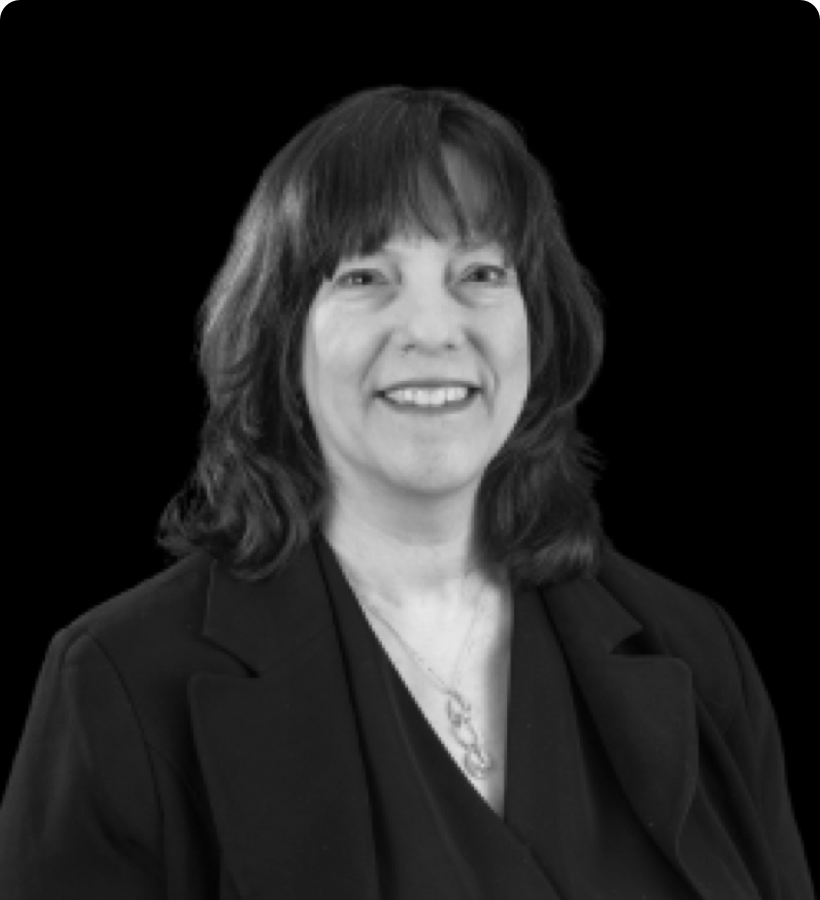
The Mind-Eye Institute has been at the forefront of sensory integration for over 30 years. Founded and led by optometrist Deborah Zelinsky, O.D., the staff at the Mind-Eye Institute continues to be a leader in the development of visual interventions that support eye-ear connections to enhance brain function and learning.
Conditions We Support
Autism Spectrum Disorder
Behavioral Disorders
Learning Disorders
Neurological Conditions
Conditions We Support
Autism Spectrum Disorder
Behavioral Disorders
Learning
Disorders
Neurological Conditions
Conditions We Support
Autism Spectrum Disorder
Behavioral Disorders
Learning Disorders
Neurological Conditions
What Is Our Approach?
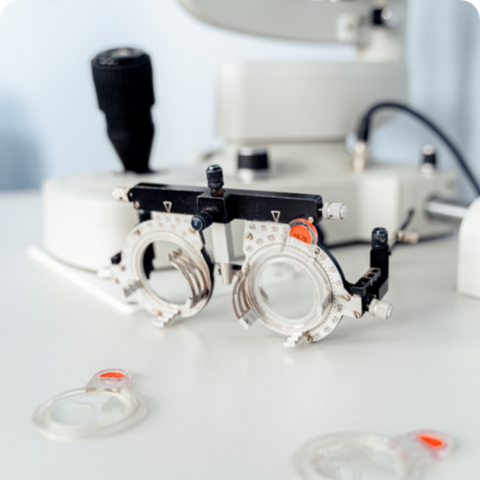
Our comprehensive assessments differ from traditional practices and therapies. We explore visual systems other than eyesight and how those systems interact with auditory perception and processing. By digging deeper into the brain's control of eye movements, we uncover root causes of ongoing struggles, and are able to create personalized treatment plans that help develop or rebuild brain pathways.
An optometrist with the vision to look beyond the eyes sees a deeper connection that's helping patients with brain injuries recover. Instead of being an eye doctor, they are more like brain doctors. With the ring of a bell, optometrist Deborah Zelinsky tests a patient's ability to locate sound. If the patient misses, she tries different filters and lenses to change how light disperses across the retina. The right mix balances central and peripheral vision and synchronizes the ear-eye connection, which Dr. Zelinsky says enhances attention, social skills, learning ability, and overall comfort. Most people who've had a concussion of some sort, or learning problems, or autism—their eyes and ears are not synchronized with each other.
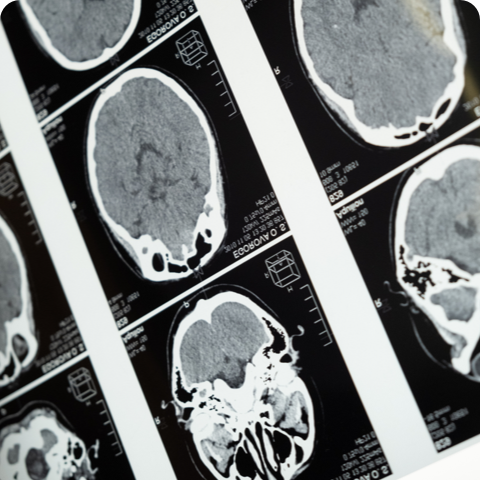
DePaul University associate professor, Clark Elliott, had the simple test and wore special glasses after struggling for years from the effects of a serious concussion—the result of a car accident. He even wrote a book about his experience. The principles are quite simple: she bent the light to healthy brain tissue and that part of his brain would wake up. Through the miracle of brain plasticity, all of that visual-spatial processing in our brains took over, rerouted through healthy brain tissue, and worked around the damaged areas.
In a brain-injured person, many of these signaling pathways get disrupted, and then they have problems judging what's in front of them. The glasses bend the light differently, and with the bent light you end up building new pathways. Patients report improvements in balance, focus, memory, and even emotional regulation. For some, it means regaining the ability to work, study, and engage with loved ones after years of limitations.
Dr. Zelinsky and the Mind-Eye Institute continue to explore how adjusting light input to the retina can influence brain function. Their work is expanding the definition of vision—moving beyond just clarity to how the brain actually processes what the eyes take in. For many patients, it has been nothing short of life-changing.
An optometrist with the vision to look beyond the eyes sees a deeper connection that's helping patients with brain injuries recover. Instead of being an eye doctor, they are more like brain doctors. With the ring of a bell, optometrist Deborah Zelinsky tests a patient's ability to locate sound. If the patient misses, she tries different filters and lenses to change how light disperses across the retina. The right mix balances central and peripheral vision and synchronizes the ear-eye connection, which Dr. Zelinsky says enhances attention, social skills, learning ability, and overall comfort. Most people who've had a concussion of some sort, or learning problems, or autism—their eyes and ears are not synchronized with each other.
DePaul University associate professor, Clark Elliott, had the simple test and wore special glasses after struggling for years from the effects of a serious concussion—the result of a car accident. He even wrote a book about his experience. The principles are quite simple: she bent the light to healthy brain tissue and that part of his brain would wake up. Through the miracle of brain plasticity, all of that visual-spatial processing in our brains took over, rerouted through healthy brain tissue, and worked around the damaged areas.
In a brain-injured person, many of these signaling pathways get disrupted, and then they have problems judging what's in front of them. The glasses bend the light differently, and with the bent light you end up building new pathways. Patients report improvements in balance, focus, memory, and even emotional regulation. For some, it means regaining the ability to work, study, and engage with loved ones after years of limitations.
Dr. Zelinsky and the Mind-Eye Institute continue to explore how adjusting light input to the retina can influence brain function. Their work is expanding the definition of vision—moving beyond just clarity to how the brain actually processes what the eyes take in. For many patients, it has been nothing short of life-changing.
Our comprehensive assessments differ from traditional practices and therapies. We explore visual systems other than eyesight and how those systems interact with auditory perception and processing. By digging deeper into the brain's control of eye movements, we uncover root causes of ongoing struggles, and are able to create personalized treatment plans that help develop or rebuild brain pathways.
Neuro Opt Rehab
Z-BellSM Test
Get Evaluated
Neuro Opt Rehab
Z-BellSM Test
Get Evaluated
Neuro Opt Rehab
Z-BellSM Test
Get Evaluated
A Passionate Team That Cares, Producing Life Changing Results
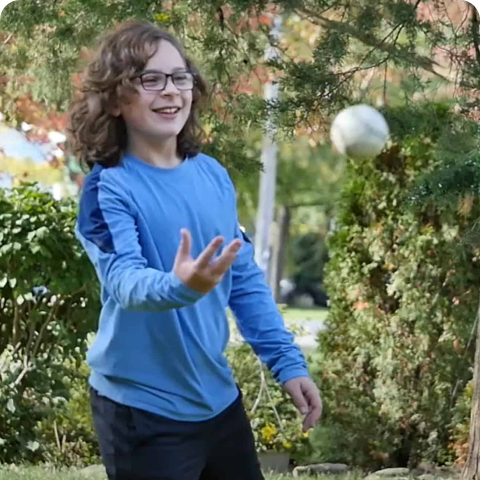
Don’t take our word for it! Check out testimonials from past patients which include Olympians, parents, kids, and everyday people that wanted to regain visual function in their day-to-day lives. Their stories will inform you, their resilience will inspire you, and our commitment to patient care and transformation through continuous research will bring confidence that embarking on this journey is the right choice.
Featured Resources