Anxiety & Emotional Dysregulation and Vision
Anxiety and emotional outbursts aren’t always “just behavioral.” Often, the brain is overloaded by sensory signals that are out of sync. At the Mind-Eye Institute, we look beyond coping skills to measure how the visual, auditory, and balance systems work together — and how adjusting them can bring calm.
What Is Anxiety & Emotional Dysregulation?
Between 7% of children and 31.1% of adults will experience significant anxiety or difficulty regulating emotions in their lifetime. What looks like constant worry, mood swings, or impulsive reactions may actually be rooted in how the brain processes and integrates sensory input.
Symptoms and Diagnosis of Anxiety & Emotional Dysregulation
When the brain is bombarded with signals that are mistimed or mismatched — vision, sound, or spatial awareness — it becomes harder to stay calm, focused, and balanced. Standard approaches often label this as “behavioral” without recognizing the underlying sensory stressors.
The ability to regulate emotions depends on how efficiently the brain times and integrates incoming sensory signals.
- If visual and auditory signals are out of sync, the nervous system may stay in “alert” mode.
- If spatial awareness feels unstable, the body reacts with anxiety or stress.
- If the brain cannot filter background noise or movement, it can trigger emotional overload.
Root causes may include: concussion/TBI, ADHD, autism, sensory processing disorders, or trauma reshaping brain pathways.
Common Symptoms of Anxiety May Include:

Common Symptoms of Emotional Dysregulation May Include:
Our Unique Approach to Anxiety & Emotional Dysregulation
Anxiety and emotional dysregulation aren’t always just psychological — they can be tied to how the brain processes sensory input. When the eyes, ears, and body systems are out of sync, the brain struggles to regulate itself, fueling worry, mood swings, and emotional outbursts. At the Mind-Eye Institute, we measure how these systems interact and use Brainwear™ therapeutic lenses and light-based therapies like synthonics to calm overload. By improving the brain’s timing and efficiency, we help patients manage stress with more stability and resilience.
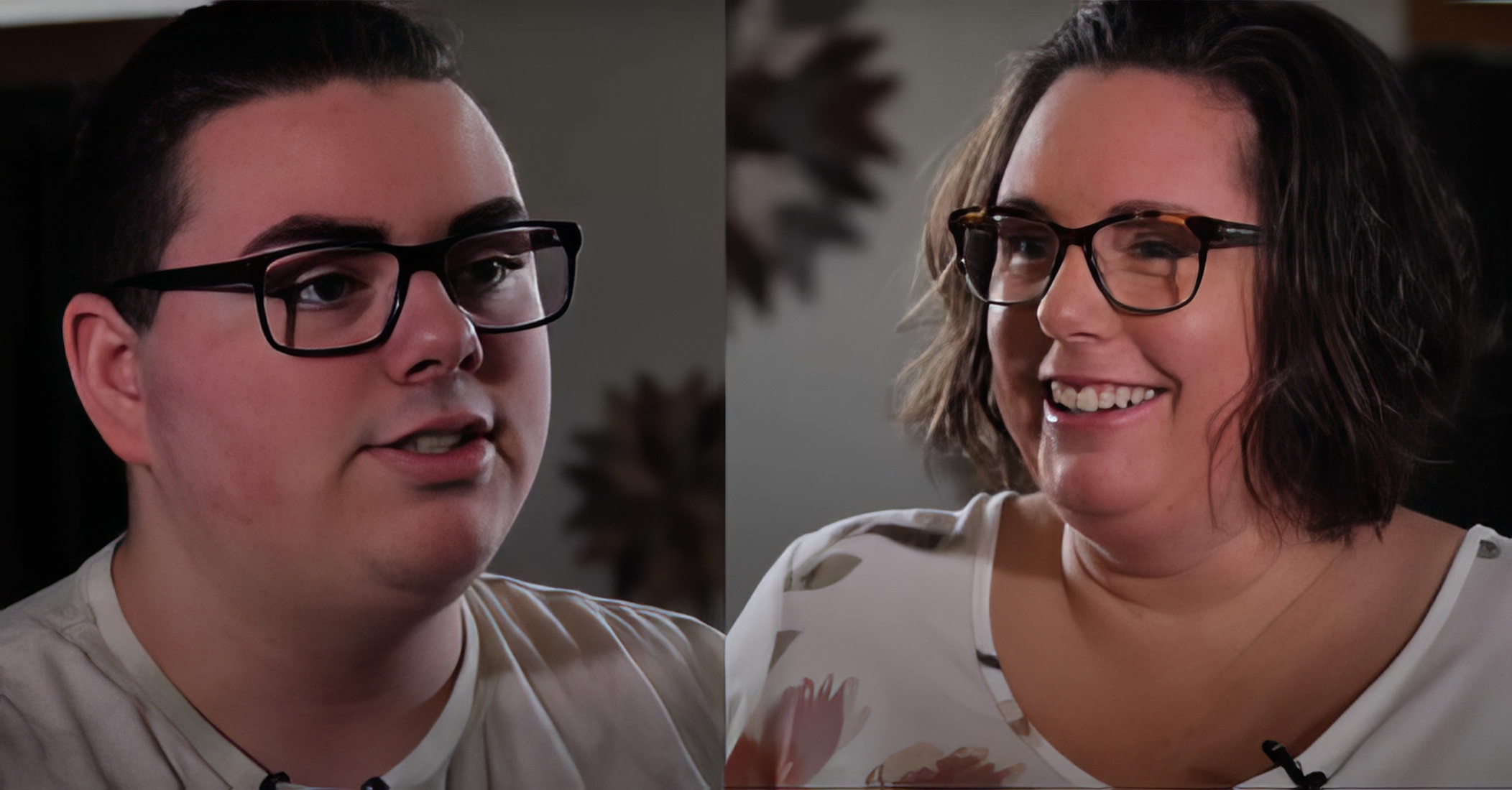
Victoria’s story shows how powerful this can be. After years of severe depression and anxiety, she had reached the point of barely leaving home and felt hopeless despite trying many other therapies. But within a week of starting Brainwear™ lenses and syntonics, she noticed a dramatic difference — her anxiety eased, her depression began to lift, and she finally felt like herself again. As she describes it, she could reach parts of her mind that had been locked away for years, giving her the strength to move forward with hope and confidence.
“Within the first week of wearing Brain Glasses, her anxiety was gone — it was like a miracle.” — Rosalyn, Victoria's Mother
I started to notice that Victoria was having great difficulties with keeping a routine of reading and journaling every night. She read very early, but then she stopped reading. Nobody really knew what to do, and nobody really cared that much because she was advanced. But she knew something was wrong, and she was just trying her hardest to do everything well—which she did really, really well—until things became more difficult.
And that made it very depressing. I was looking at Facebook one day, as I often do, and I saw this ad from the Mind-Eye Institute. I thought, “What is this?” I looked at it and said, “Well, you know, that makes sense.” What we found, though, which was really shocking, is that with the syntonics, within the first week, her anxiety abated. She was no longer so anxious at all.
She just wasn’t. It was gone. And we were amazed—really amazed. When I first put on my Brain Glasses™ from Mind-Eye, I felt a lot more relaxed, and it really showed in my actions. I thought, “Whoa, I really do feel more relaxed.” All of these problems began to lift, since those were the things that had caused my depression.

What We Look For
Anxiety and emotional outbursts aren’t just “in the mind” — they’re often linked to how the brain interprets sensory signals. Our evaluation goes beyond clarity (20/20) to uncover processing issues that can keep the nervous system stuck in high alert.
How We Help
Once we identify what’s overworking the brain, we design tools to calm and coordinate processing so demands feel more doable.
Why It Matters
By addressing the root processing issues, we help patients move from constant stress and reactivity toward greater resilience and self-control.
Want to Learn More?
Awards & Recognition





FAQs
FAQs
Yes. If the brain is bombarded with mistimed visual and auditory input, it can stay in “alert” mode, fueling anxiety and emotional overload.
When visual/auditory systems are mis-timed or overactive, the brain may stay in a threat state. Modulating retinal input helps reduce overload so the nervous system can access an “all-clear.”
We measure visual-auditory timing, spatial mapping, binocular balance, and light sensitivity—areas not addressed in standard eye exams.
Some families report calmer behavior, fewer meltdowns, and better focus within weeks. For others, improvements build gradually as the brain adapts.
Both children and adults with anxiety, panic attacks, or emotional regulation challenges—especially when traditional care hasn’t resolved daily struggles.
For more general questions about our treatments, visit our Full FAQ Page.