Dyslexia & Vision
Dyslexia is more than just reversing letters. For many children and adults, it’s a brain-based processing issue that makes reading, writing, and comprehension exhausting. At the Mind-Eye Institute, we uncover hidden visual and sensory processing challenges that often get overlooked in traditional dyslexia care.
What Is Dyslexia?
Dyslexia is a learning disorder that disrupts how the brain processes written language, making reading, spelling, and comprehension difficult. It is not a problem of intelligence or effort, but a difference in how the brain coordinates vision, hearing, and timing. Dyslexia affects children and adults worldwide, yet it remains one of the most misunderstood and often misdiagnosed conditions.
Symptoms and Diagnosis of Dyslexia
Dyslexia is one of the most common learning disorders, affecting 5–10% of the population — though some studies suggest the number may be as high as 20%. Standard testing often misses the mark because it focuses on reading output rather than the sensory integration challenges driving the difficulty.
Left untreated, dyslexia can persist into adulthood, affecting academic achievement, career opportunities, and self-esteem. But with the right evaluation, many of these challenges can be reduced.
Common Symptoms of Dyslexia May Include:

Our Unique Approach to Dyslexia
Most dyslexia treatment focuses on tutoring or specialized reading programs. While these can help, they often miss how the brain actually processes what the eyes see and the ears hear. At the Mind-Eye Institute, we go beyond testing for 20/20 vision to measure how vision, hearing, and movement systems coordinate. By changing the way light enters the eyes, Brainwear™ therapeutic lenses can influence brain activity, calm sensory overload, and make reading and comprehension more efficient.
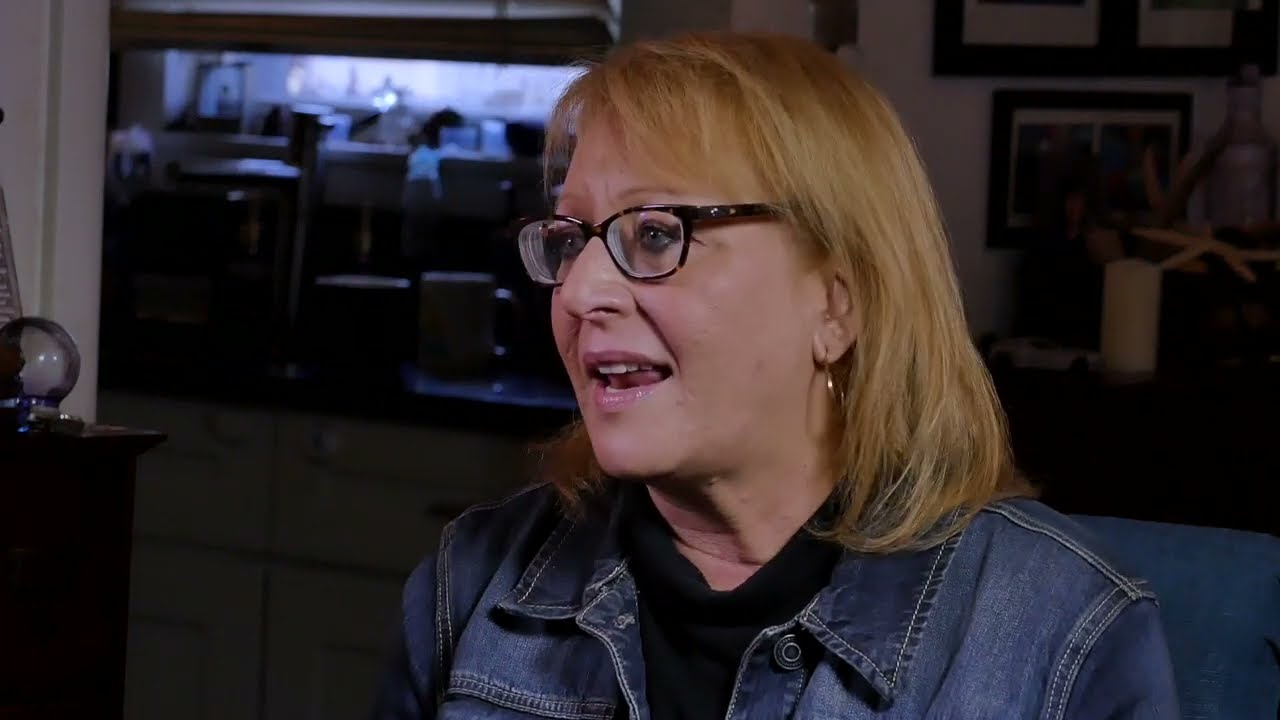
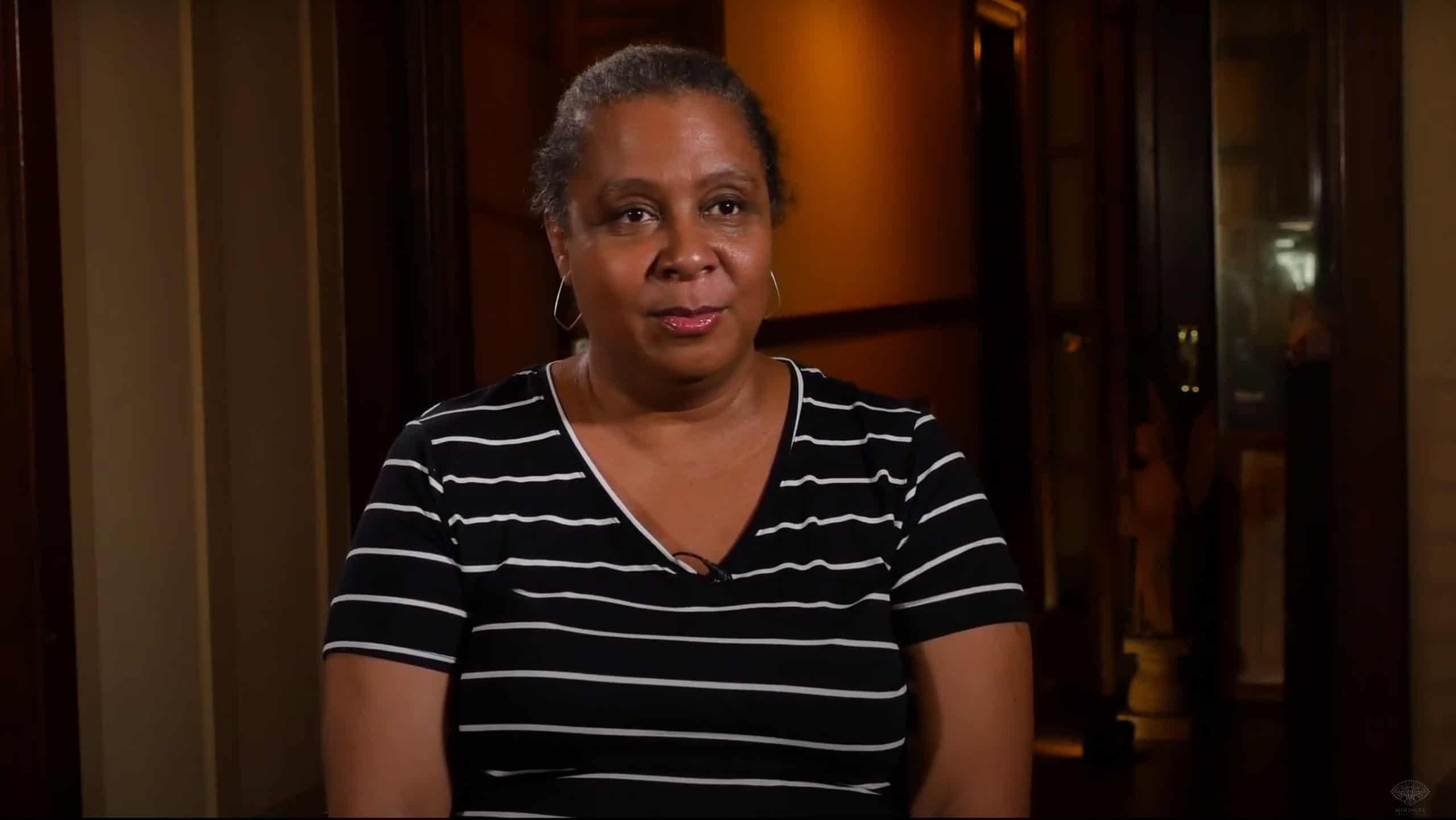
Betty Collins experienced this transformation with her daughters. In second grade, her eldest struggled with comprehension, skipped parts of the page, and was diagnosed with dyslexia. After receiving Brainwear™ lenses and support, she steadily progressed — eventually graduating from Harvard Business School. Betty’s younger daughter faced similar struggles with writing posture, but through Mind-Eye evaluation, therapy, and lenses, she went on to thrive and become an ICU nurse. As Betty put it: “The glasses from Dr. Zelinsky balanced my child’s brain. She could finally listen, watch, and take notes all at the same time. Her dyslexia began to resolve — it was simply amazing.”
“The glasses from Dr. Zelinsky balanced my child’s brain. She could finally listen, watch, and take notes all at the same time. Her dyslexia began to resolve — it was simply amazing.” — Betty
My daughter was in second grade, and she has an excellent teacher. And you know, she said, you know, this kid's pretty sharp, but you know, she's having trouble putting it all together. Her comprehension isn't there, she's not finishing her work. So, she wanted the school, you know, to test her. So we went home, had with that recommendation, and we came out with a diagnosis that his daughter had some dyslexia going on her.
We came in and, over a period of time, Dr. Zelinsky fitted her with glasses. She used to drop anything on the bottom of a page. She'd complete the top of a page and get everything right. And you got to the bottom of the page, it was always empty. And this was a kid that was fairly compliant, you know, if I told her to make her bed, the bed was fairly well made. So Dr. Zelinsky fitted her with glasses, and that helped.
As we progressed along, the school said, well, you know, she needs some help. So we had her tested and she was tested dyslexic. We got into a program, and over the years she had additional help, but she continued to wear her glasses. She continued on and continued to progress.
Now she’s graduated from Harvard Business School and she’s in business in Chicago. That’s been a real success story.
Then my second daughter, who is two years younger, when she was in second grade, her teacher called me in and she said, you know, there’s something odd. She’s turning her body when she writes. She won’t sit straight on the paper. She’ll turn her body.
So we came back here. And Dr. Zelinsky put her on a little swivel board, and she could swivel right all day long. She could not swivel left. So again, some therapy was done, some exercises were done, and she continued to wear glasses, and she continued to progress.
She went on to nursing school, and now she’s an ICU nurse, and she’s doing a great job.
So, both girls, both very successful, and both benefited tremendously from the early diagnosis and the glasses that Dr. Zelinsky fitted them with.

What We Look For
Unlike traditional dyslexia evaluations that focus only on reading output, our comprehensive assessment explores how the brain responds to real-world environments. During our 3-4 hour initial evaluation, we measure:
How We Help
Once the assessment is complete, we can determine what is working well and what is contributing to reading struggles. When sensory systems are misaligned, the brain must work overtime just to decode words — leaving little energy for comprehension. Our unique tools include:
Why It Matters
By treating the root sensory processing issues, we help children (and adults) with dyslexia gain:
Want to Learn More?
Awards & Recognition




FAQs
FAQs
No. Dyslexia is a brain-based processing disorder that affects reading fluency, spelling, comprehension, and auditory-visual integration.
Yes. Clarity of vision does not guarantee efficient processing. Dyslexic readers often struggle even with perfect eyesight.
Standard tests measure reading output, while our evaluation measures how the brain integrates visual and auditory information — uncovering hidden sensory timing problems.
No. Our approach complements existing interventions. By improving brain processing efficiency, tutoring and therapy often become more effective.
Both children and adults with dyslexia can benefit, especially those who have tried traditional interventions without lasting results.
For more general questions about our treatments, visit our Full FAQ Page.