Visual Processing Disorder and Vision
Visual processing disorders aren’t about being “blind” or “slow at reading.” They’re rooted in how the brain interprets and responds to visual input. At the Mind-Eye Institute, we go beyond visual acuity to evaluate how the visual, auditory, and motor systems work together — and how to bring harmony back into perception.
What Is a Visual Processing Disorder?
Visual Processing Disorder (VPD) is not a problem with eyesight or clarity — many people with VPD have perfect 20/20 vision. Instead, it’s a difference in how the brain interprets and responds to visual information. This can make tasks like reading, copying from the board, navigating spaces, or even staying focused in busy environments much harder. Because the challenge is in processing and not in seeing, standard eye exams often miss it.
Symptoms and Diagnosis of a Visual Processing Disorder
Visual processing disorders often go unrecognized because standard eye exams focus only on clarity, not how the brain interprets what is seen. Research suggests that approximately 3–4% of children meet criteria for Nonverbal Learning Disability (NVLD), a condition marked by visual–spatial processing difficulties even when reading skills are strong (Columbia University, 2020). Another study found that up to 3.4% of children in mainstream schools show signs of Cerebral Visual Impairment (CVI) or other visual–perceptual difficulties — often missed because basic 20/20 acuity tests don’t measure processing (Frontiers in Human Neuroscience, 2017).
When visual signals are not processed efficiently, the brain struggles to coordinate reading, movement, and comprehension. This mismatch can lead to frustration, avoidance, and symptoms that mimic attention or learning disorders.
Common Signs of Visual Processing Disorder:

Our Unique Approach to Visual Processing Disorders
Even with 20/20 eyesight, a visual processing disorder (VPD) can make reading feel scrambled because the brain isn’t efficiently coordinating central and peripheral vision—or syncing what the eyes see with what the ears hear. At the Mind-Eye Institute, we measure how vision, hearing, and movement systems work together, then use Brainwear™ therapeutic lenses to reduce visual stress, improve timing between systems, and make reading and comprehension more automatic.
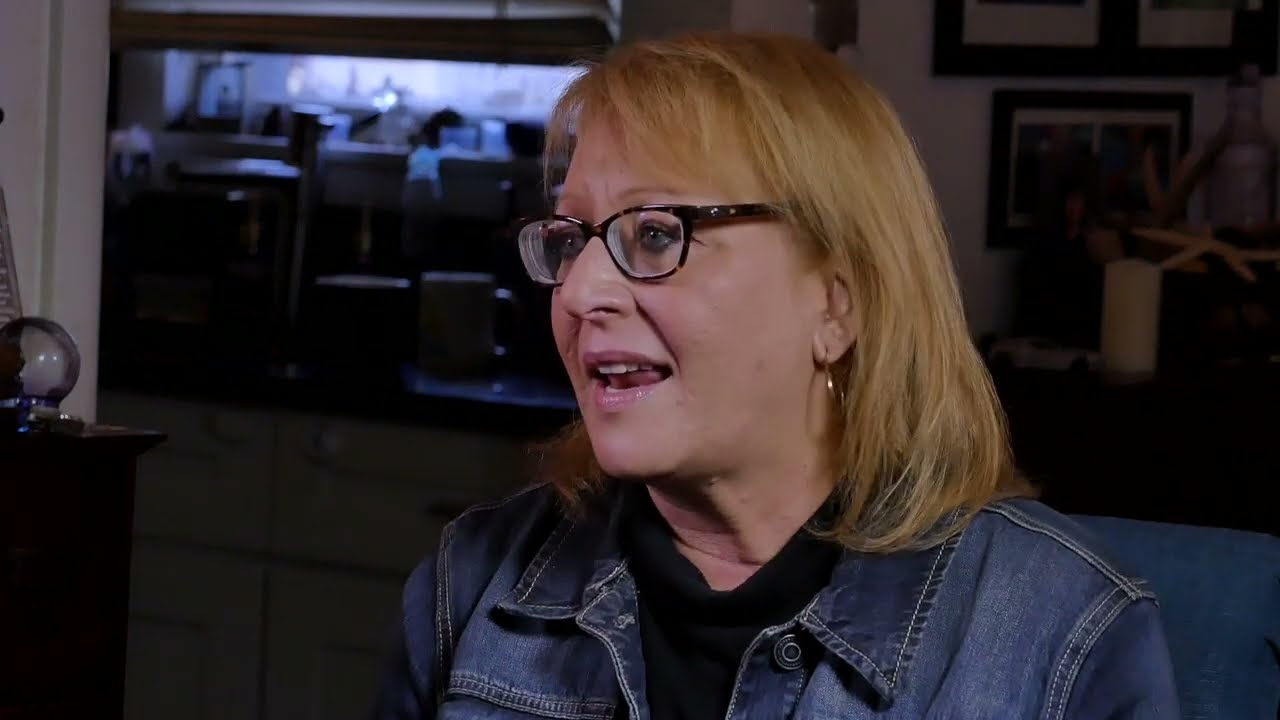
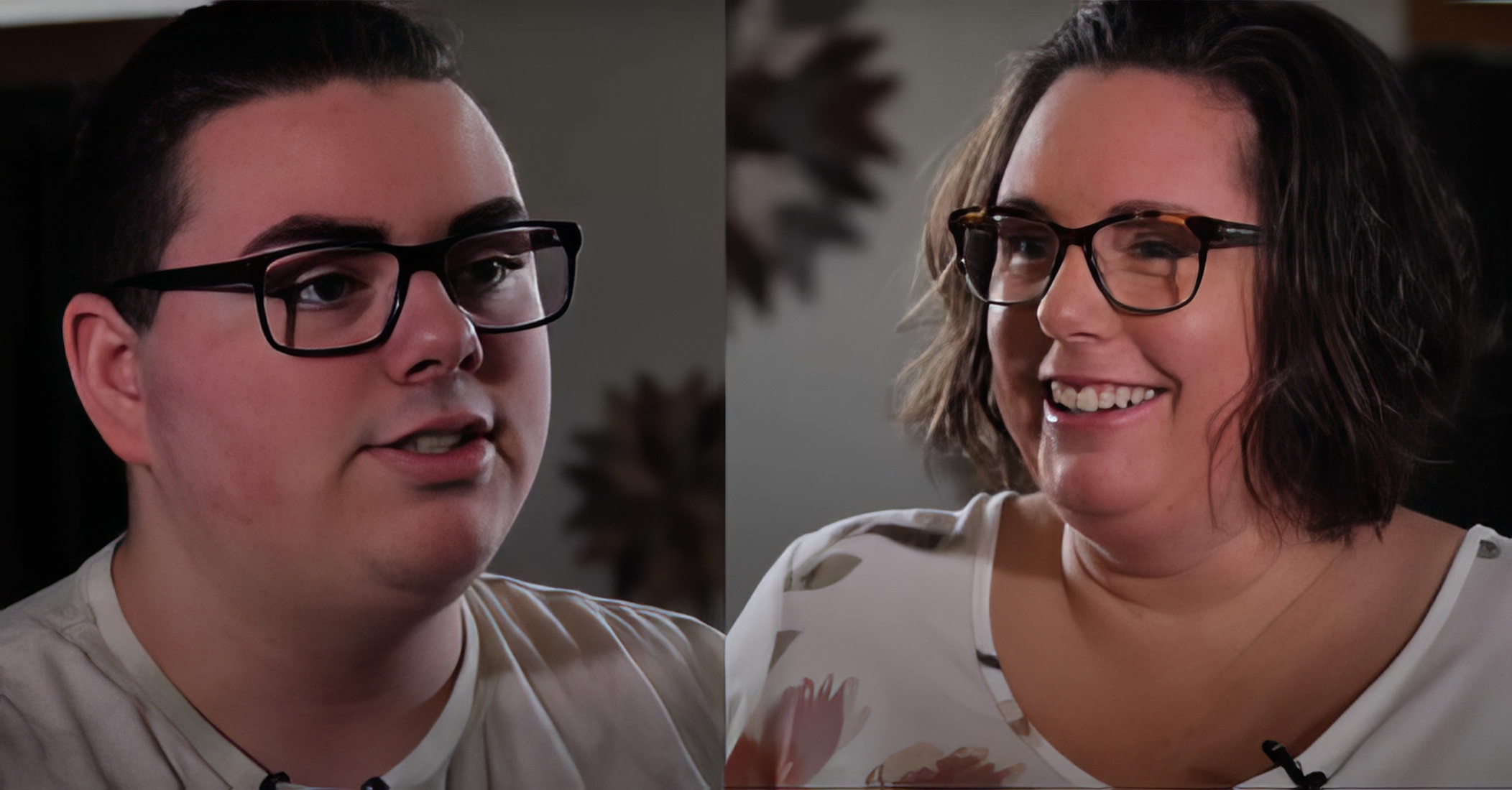
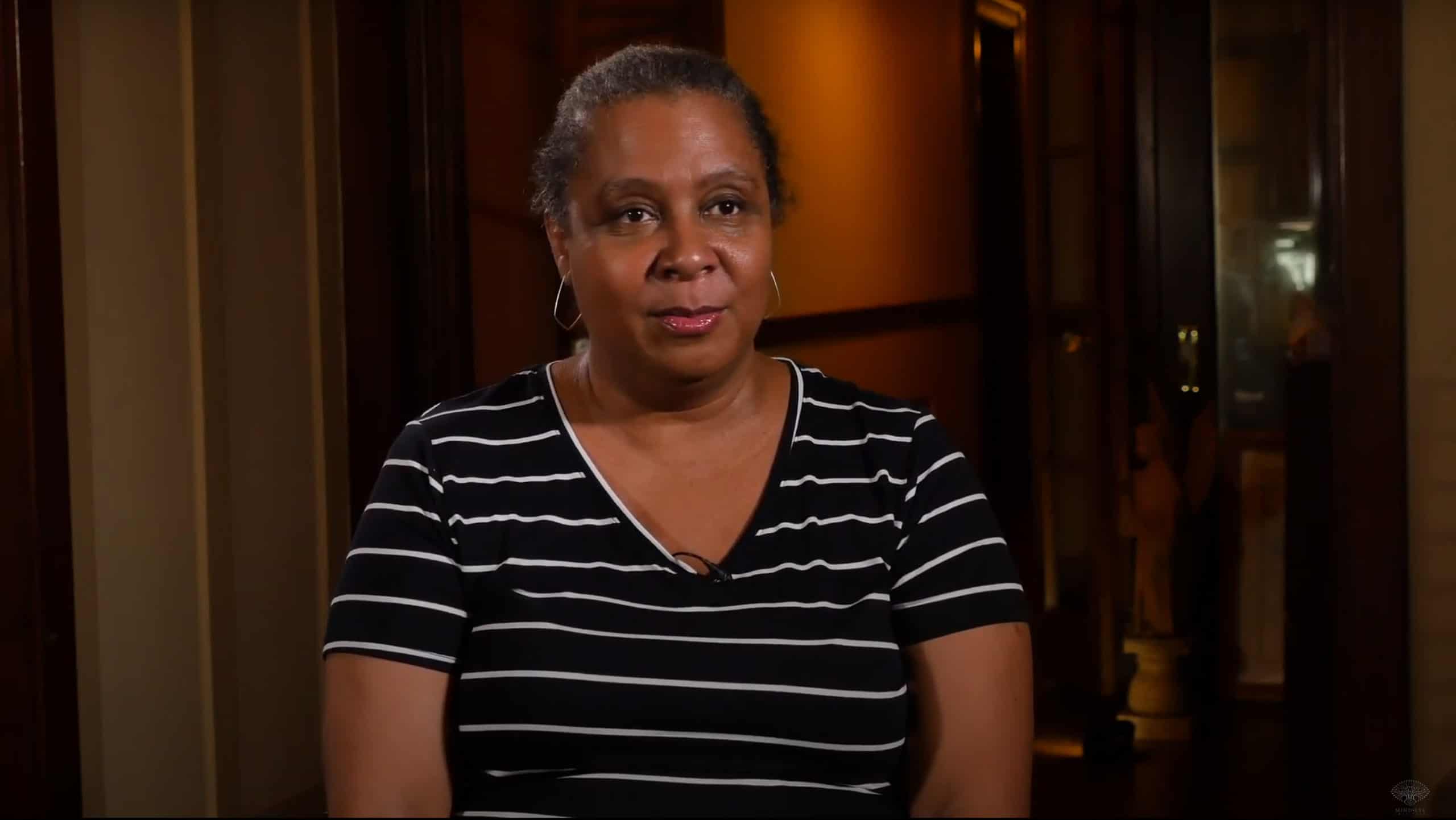
Riley’s experience shows what this looks like in real life. Despite being bright and knowing her letters and sounds, she “couldn’t put the words together,” and years of standard interventions didn’t unlock the missing piece. After her Mind-Eye evaluation, the change came quickly—within six to eight weeks, her reading and writing “just clicked,” and her family was amazed at the difference.
“I could see the words on the page, but they just wouldn’t come together. After my Brainwear™ lenses, the words finally made sense — and now I can imagine becoming a writer." — Riley
I thought that something was wrong with me. I didn’t understand, because all my friends were reading really big books and I’m like, “Oh, I want to read big books.”
The fact that I couldn’t read at the age that I was made me upset with myself. I was angry that I couldn’t do it. You know, she came in, brilliant child.
She knew her alphabet very young. She knew all the sounds to the alphabet. But at the end of kindergarten, the teachers had come to us and said, “She’s just having trouble putting the words together.”
We did vision testing to see if her eyes were functioning correctly, and they were. We did anything we possibly could. We had all the intervention and tried to find tools to help Riley learn.
She’s very smart, and we saw that intelligence in her, but we couldn’t unlock the key. We could not find what was missing, what she was actually seeing, and the missing pieces. And a dear friend of mine actually came to me and said, “I heard about this Mind-Eye Institute.”
Of course you’re nervous, you don’t know what to expect. But at this point, we had no other options.
We needed something to help her and give her tools. I saw what was happening and it was amazing to see. Even when I came home to tell my husband — because my husband wasn’t with me at this first appointment — trying to explain or reiterate what I just saw was hard.
It was hard, but absolutely amazing. And I believe it was six to eight weeks — boom.
Everything just clicked: her reading, her writing. She was a completely different child. And we were blown away.
We were just amazed. My skepticism turned into, “You’re amazing.” We want to share our story with everybody, because if you have children who are struggling, this is a gift.
She is gifted, this institute is amazing, and we have seen huge results.

What We Look For
We measure how the brain handles sight in context, not just on a chart.
How We Help
Once we identify where the system is overloaded, we design tools to make processing more efficient and less stressful.
Why It Matters
By addressing how the brain interprets visual information, clients often experience:
Want to Learn More?
Awards & Recognition




FAQs
FAQs
Yes. Visual processing disorders are about how the brain interprets visual input, not clarity.
We assess visual interpretation, tracking, and integration—areas standard eye charts don’t cover.
Sometimes. Many patients benefit from lenses during transitioning or overload, but visual strategies help build lasting processing efficiency.
Some notice better focus and coordination in weeks; others progress gradually as the brain adapts.
Students with reading difficulties, professionals with screen fatigue, or anyone overwhelmed by visual overwhelm—even with 20/20 vision.
For more general questions about our treatments, visit our Full FAQ Page.